Why Pastel Activewear Yellows at the Seams Before the Fabric Fades
Quick Answer: Seams yellow first because thread is usually a different fibre than the fabric, seams hold more layers of material where residue collects, and aluminium salts from antiperspirant react with sweat proteins to form a yellow compound that binds tightly to fibre. Add chlorine bleach and the yellowing gets worse rather than better. The prevention that works: rinse or soak within a few hours of wearing, wash cool with an enzyme detergent, and never use chlorine bleach on synthetics.
The lilac is still lilac. The stitching around the underarm has gone the colour of an old newspaper.
That is not fading. That is a deposit, and deposits can be prevented.

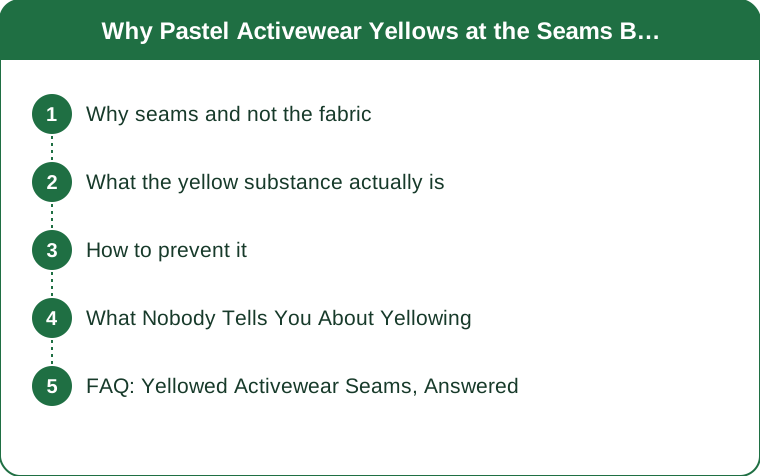
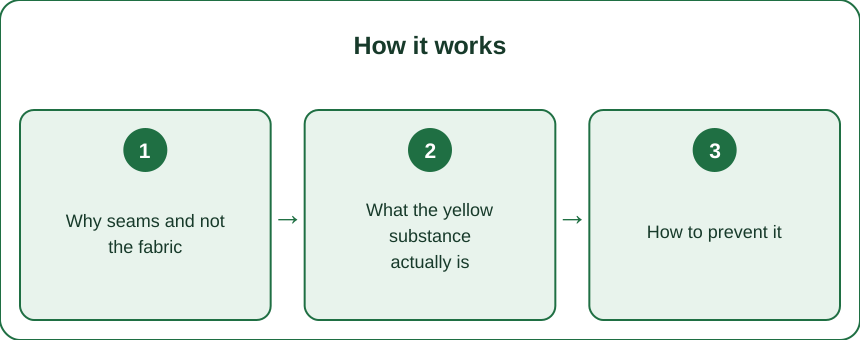
Why seams and not the fabric
Sewing thread is often a different fibre than the fabric, commonly polyester thread in a nylon-elastane fabric. Different fibres take dye differently and hold residue differently, so they discolour on a different schedule.
A seam is several layers of fabric compressed together, which traps sweat, body oils and product residue where water has the hardest time reaching during a wash cycle.
Seams sit exactly where the problem is worst. Underarm, waistband and inner thigh seams take the highest concentration of sweat and the most direct contact with antiperspirant.
Thread is under tension and takes abrasion, and abraded fibre surfaces hold residue more readily than smooth ones.
And thread is thin, so a given amount of deposit produces a much more visible colour change than the same deposit spread across a panel.
What the yellow substance actually is
Aluminium compounds in antiperspirant react with proteins in sweat to form a yellowish residue that binds firmly to fabric. This is the primary mechanism, and it is why the marks concentrate at the underarm.
Body oils oxidise over time. Sebum left in fabric slowly yellows on exposure to air and light, which is why a garment washed inadequately can yellow in storage without being worn.
Heat sets it permanently. A tumble dryer, or a hot wash, bakes the residue into the fibre and converts a removable deposit into a permanent one - which is the single most common way this becomes irreversible.
Chlorine bleach makes it worse on synthetics. It reacts with both the elastane and the protein residues, producing more yellowing rather than less, and it degrades the elastane at the same time.
And residual detergent contributes. Under-rinsed detergent attracts and holds soil, which is why over-dosing detergent on light activewear tends to accelerate discolouration rather than prevent it.

How to prevent it
Rinse or soak within a few hours of wearing. A garment that sits damp in a bag for two days has had two days of reaction time, and time is the main variable you control.
Use an enzyme detergent in cool water. Protease enzymes target the protein component specifically, and they are most effective at cool to warm temperatures rather than hot.
Never use chlorine bleach on synthetics. For a light-coloured garment that needs brightening, oxygen bleach is the appropriate tool and does not react the same way.
Skip fabric softener. It coats fibres, holds residue in place and reduces wicking - three separate arguments against it in one product.
Switch to an aluminium-free deodorant for training, or let antiperspirant dry completely before dressing. This alone eliminates the primary mechanism and is the highest-leverage single change available.
Air dry out of direct sunlight. Heat sets deposits, and prolonged UV can yellow some synthetics independently.
What Nobody Tells You About Yellowing
White vinegar is better than bleach for this specific problem. A soak in a diluted vinegar solution helps break down mineral and residue deposits without attacking the elastane.
Oxygen bleach soaks work slowly and well. Several hours in cool water with an oxygen bleach powder lifts a great deal of established yellowing that a normal wash cycle will not touch.
Pastels show it first but do not cause it. Black and navy garments accumulate the same deposits invisibly, which is why they stiffen and start holding odour long before they look worn.
Deodorant residue is also the leading cause of persistent odour in activewear, so solving the yellowing usually solves the smell as well.
Storage matters. A garment put away with any residue in it will yellow slowly in the drawer, which is why a top that looked fine in May can be marked by September without being worn.
And hard water accelerates all of it, because mineral deposits bind with soil in fabric. A water softener or a detergent booster makes a visible difference in hard water areas.
FAQ: Yellowed Activewear Seams, Answered
Can I reverse yellowing that has already happened?
Often partially. An overnight cool soak in oxygen bleach, followed by an enzyme wash, recovers a good deal if the garment has not been through a hot dryer. Heat-set marks generally do not come out.
Does it mean the garment is worn out?
No - the fabric is usually structurally fine. It is a cosmetic deposit, which is why it is worth treating rather than replacing.
Why do the underarms smell even after washing?
The same residue holds bacteria. A vinegar or oxygen bleach soak addresses both the smell and the colour, because they share a cause.
Should I wash activewear separately?
Yes, and inside out. It keeps residue away from other garments and lets water reach the surfaces that need it most.
Is aluminium-free deodorant less effective?
It does not reduce sweating, since that is what the aluminium does. For training specifically - when you are meant to be sweating anyway - that is usually an acceptable trade for keeping pale garments intact.
TL;DR:
- Seams yellow first because thread is a different fibre, seams trap residue, and they sit where sweat and antiperspirant concentrate.
- The yellow is mainly a reaction between aluminium salts and sweat proteins, plus oxidised body oils.
- Heat sets it permanently - no tumble drying, no hot washes, ever.
- Chlorine bleach makes it worse on synthetics; oxygen bleach and diluted vinegar soaks are the right tools.
- Rinse within a few hours of wearing and use a cool enzyme wash; skip fabric softener entirely.
Switching to aluminium-free deodorant for training removes the main mechanism, and it usually solves persistent odour at the same time.
Keep Reading
This article is for general informational and styling purposes only. Fit, sizing, and product availability may vary.