Why Deodorant, Not Sweat, Is What Actually Stains Pastel Activewear
Quick Answer: Sweat itself is nearly colorless. The yellow stiffness in pastel underarms comes from aluminum salts in antiperspirant binding with proteins in sweat and with fabric fibers. Because it is a mineral-protein bond, enzyme cleaners and cold water work better than heat and bleach, and heat actually locks it in permanently.
You have three pale tops with the same problem in the same place. You wash them properly. You have started wondering whether your body is defective. It is not — the culprit is sitting in your bathroom cabinet.

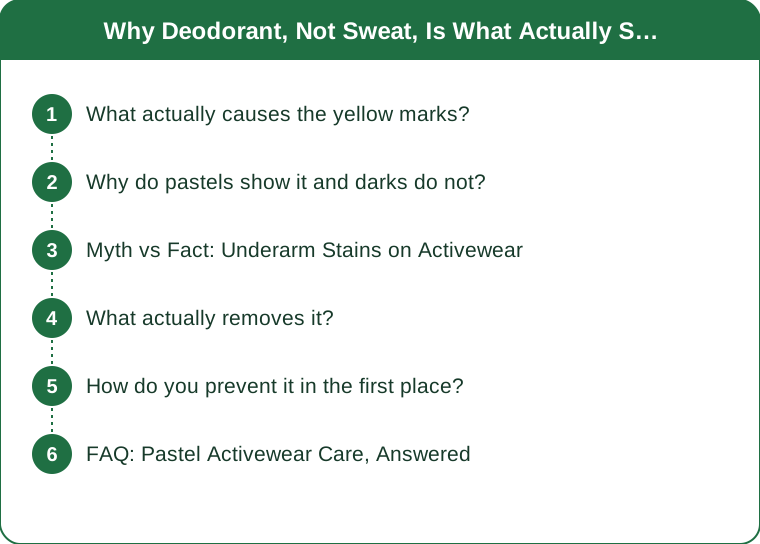
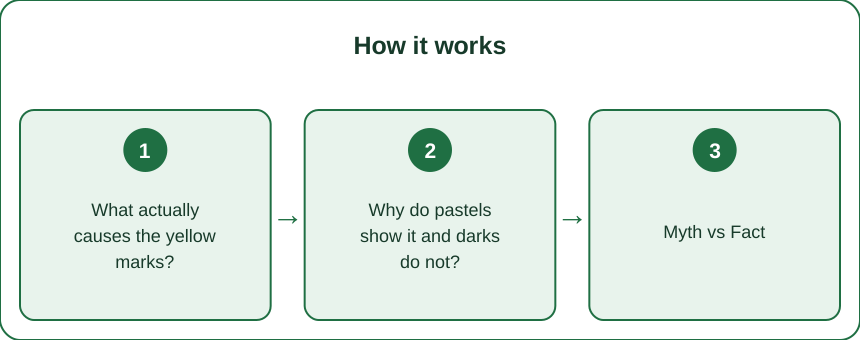
What actually causes the yellow marks?
Two reactions happening at once in the same square inch of fabric.
Aluminum salts — the active ingredient in antiperspirants — react with proteins and salts in sweat to form a compound that yellows over time and bonds tightly to synthetic fibers. This is the stiff, slightly crunchy discoloration.
Sebum and skin oils oxidize on the fabric and yellow the same way an old white t-shirt collar does, independent of any product.
Sweat itself contributes surprisingly little color. It is mostly water, salt, and urea. What makes it a problem is that it delivers the proteins to the party.
This is why deodorant-only formulas rarely produce the classic yellow stain, while antiperspirants reliably do.
Why do pastels show it and darks do not?
Darks show it too. You just cannot see it until the fabric fails.
On a black legging waistband or a navy top, the same aluminum-protein buildup accumulates in the fibers. What you notice instead is a patch that feels stiffer, holds odor no matter how you wash it, and eventually goes slightly matte or greyish next to the surrounding fabric.
Pastels reveal it early, which is genuinely useful. A lilac top telling you at month three what a black top would hide until month twelve means you can intervene while the bond is still young.
The practical implication: if your dark activewear holds odor in the underarms after washing, you have the same buildup, and the same treatments apply.
Myth vs Fact: Underarm Stains on Activewear
Myth: Yellow underarms mean you sweat too much. Fact: They mean you use an aluminum-based antiperspirant. Heavy sweaters using deodorant-only products often have cleaner underarms than light sweaters using antiperspirant.
Myth: Chlorine bleach fixes yellowing. Fact: Bleach reacts with the protein residue and frequently makes the yellow darker and more permanent. It also destroys elastane.
Myth: Hot water cleans better. Fact: Heat sets protein stains the way it sets egg on a pan. Cold or cool water is correct for anything protein-based.
Myth: If it survived the wash, it is permanent. Fact: Many months-old marks lift with an enzyme soak, it just takes hours rather than a cycle.

What actually removes it?
A specific sequence, done in order. Skipping steps is why home remedies get mixed reviews.
- Enzyme pre-soak. An enzyme-based detergent or stain remover, applied directly, left 30 minutes to 4 hours. Enzymes break the protein half of the bond.
- Acid step for the mineral half. White vinegar diluted about one part to four parts cool water, 30 minutes. Skip this on anything with elastane if you plan to soak longer than an hour.
- Wash cold with a normal dose of detergent. Not hot. Not warm.
- Air dry and inspect before it goes anywhere near a dryer. If any yellow remains, repeat from step one. A dryer cycle on a remaining stain makes it permanent.
For stubborn cases, an oxygen-based whitener — sodium percarbonate, not chlorine — dissolved in cool water for a long soak is the strongest option that is safe for stretch fabric.
How do you prevent it in the first place?
Prevention is more effective than any treatment, and it is mostly about timing.
- Apply antiperspirant at night, to clean dry skin. It works better this way pharmacologically, and by morning far less product is sitting on the surface waiting to transfer.
- Let it dry fully before dressing. Two minutes of standing around saves months of fabric life.
- Switch to aluminum-free deodorant for workouts specifically. You will sweat more; you will also stop generating the reaction entirely.
- Rinse the underarm area under cold water right after training, before the garment goes in the hamper. Damp fabric sitting in a bag for eight hours is where most of the bonding happens.
- Wash within 24 hours. The single highest-impact habit on this list.
One more: skip fabric softener on activewear entirely. It coats fibers, traps residue underneath, and makes everything above harder.
FAQ: Pastel Activewear Care, Answered
Does baking soda work?
Mildly, as a paste on fresh marks. It is alkaline, so it does not address the protein bond well. Enzymes outperform it substantially on anything older than a week.
Can dry cleaning fix it?
Sometimes, if you point out the stain and identify it as antiperspirant. Solvent cleaning handles the oil component well and the mineral component poorly, so results vary.
Will switching deodorants stop existing stains from getting worse?
Yes. The existing mark will not deepen much without new aluminum being added, though the oxidized oil component can continue to yellow slowly. Treat what is there, then switch, and the problem stops compounding.
TL;DR:
- The yellow is an aluminum-and-protein reaction, not sweat
- Heat and chlorine bleach make it permanent, cold water and enzymes remove it
- Dark activewear has the same buildup, it just shows as stiffness and trapped odor instead of color
- Night application, full drying, aluminum-free workout deodorant, and washing within 24 hours prevent nearly all of it
The frustrating thing about this stain is how much of the standard laundry advice is exactly backwards for it. Hot and bleachy is right for a lot of problems and disastrous for this one. Go cool, go enzymatic, be patient, and check before the dryer — that last step alone will save more pastel tops than everything else combined.
Keep Reading
This article is for general informational and styling purposes only. Fit, sizing, and product availability may vary.